
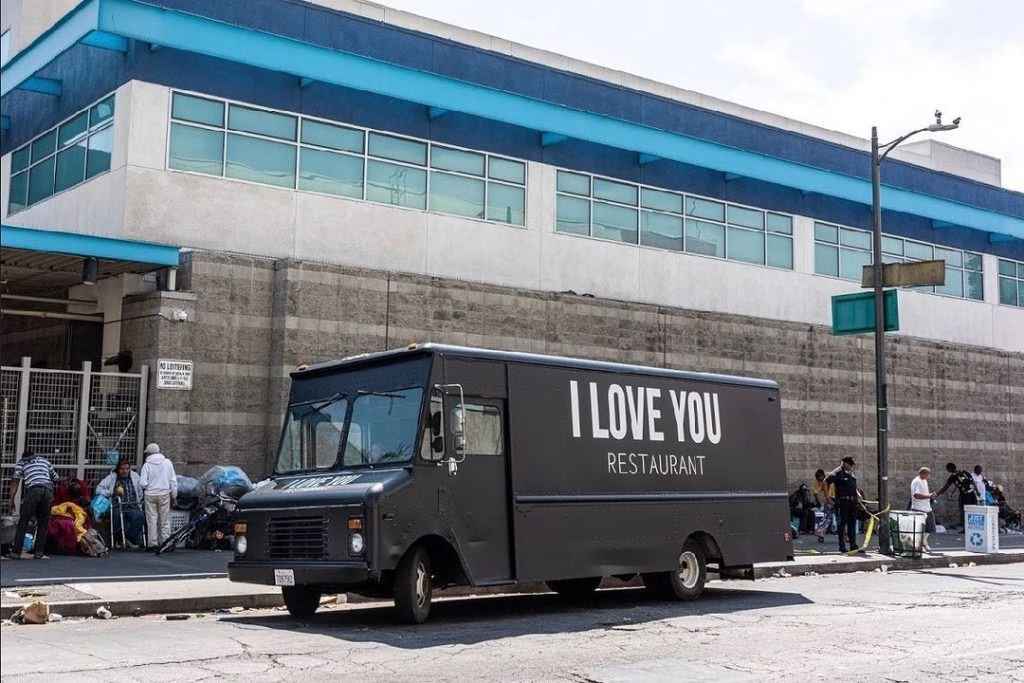
Skid Row is a four-square-mile area in downtown Los Angeles known as one of the harshest environments in the country for people experiencing homelessness. It’s not a metaphorical battleground — it’s real streets, real people, and real suffering. On any given night, more than 44,000 Angelenos are unsheltered, many of them concentrated in Skid Row.
The sidewalks here aren't just concrete; they are makeshift shelters, gathering spots, and survival zones. Hunger isn’t an abstract concept. It’s a daily, gnawing reality.
And yet, in the middle of that struggle, something hopeful has taken root. A story not of pity, but of purpose. This is the hopeful story of how Jaden Smith, a young artist and activist, decided to challenge the norm of what a restaurant can be — and who it serves.

A Restaurant With No Price Tag: Just Heart
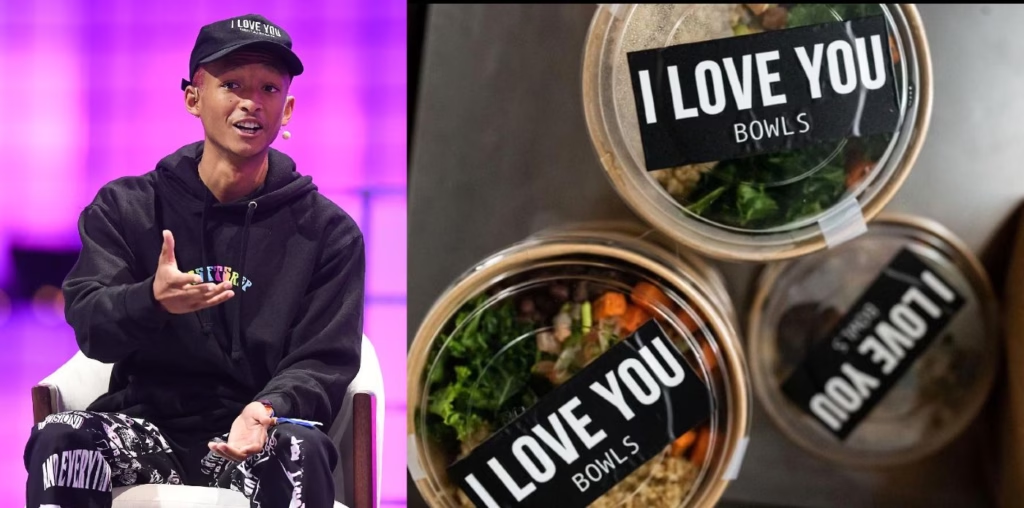
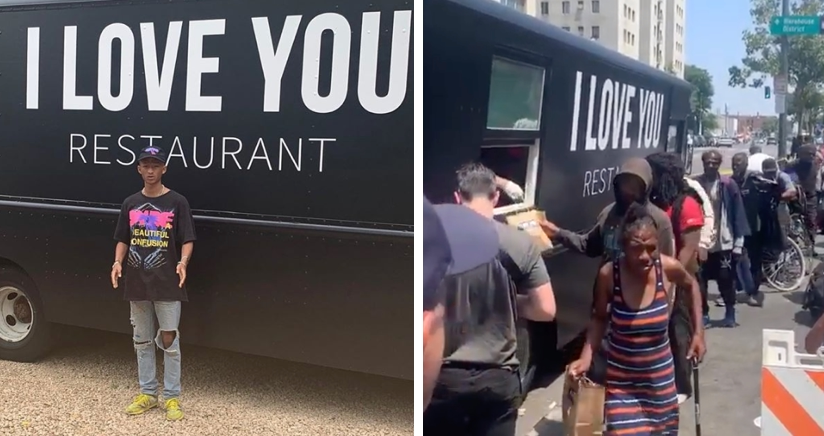
On his 21st birthday, Jaden launched the I Love You Restaurant initiative through the Will & Jada Smith Family Foundation. It wasn’t a flashy celebrity stunt. It was a food truck parked right on Skid Row, handing out high-quality, vegan meals to people who couldn’t afford to eat. No ID required. No waiting list. Just food. Just love.
That truck, and the community it served, revealed something powerful: people didn’t just want to eat. They wanted to be seen. Valued. Treated with dignity. So Jaden decided to scale the vision. Enter the brick-and-mortar I Love You restaurant, built around a pay-it-forward model: if you can pay, you do. If you can’t, you eat free. The margins aren’t monetary; they’re measured in shared humanity.
Why Skid Row? Because It’s Ground Zero for Hunger and Homelessness
Los Angeles is one of the wealthiest cities in the world — and one of the hungriest. According to WJSFF and LA Food Bank data:
- 1 in 5 LA residents don’t know where their next meal is coming from.
- Nearly 60,000 people are unhoused on any given night in LA County.
- Three-quarters of those people are unsheltered — sleeping in tents, cars, or on sidewalks.
Skid Row is not an isolated crisis. It’s a mirror for every city grappling with poverty, housing inequality, and food deserts. Jaden’s project doesn’t just feed people. It reimagines what support can look like. That’s what makes it a hopeful story in the deepest sense.
How the I Love You Model Works
At the heart of the restaurant is a pay-it-forward philosophy. Here’s how it functions:
- Unhoused guests eat for free — no questions asked.
- Paying guests cover more than their own cost — so someone else can eat, too.
- The food is 100% vegan — healthy, sustainable, and designed to nourish, not just fill.
It’s not a soup kitchen. It’s a community space where guests are treated like customers, not cases. Meals are served with hospitality, not hierarchy. In a world where charity can feel transactional, this approach brings back mutual respect.
A Hopeful Story of Innovation and Inclusion
What makes this such a hopeful story is its balance of radical kindness and structural innovation. Jaden didn’t just donate money or pose for photos. He created a replicable model that could inspire similar ventures in other cities. As VegNews explains, the goal isn’t just to serve meals — it’s to shift paradigms: food is a right, not a reward.
From his work with JUST Water to his focus on sustainability and social justice, Jaden has consistently tied brand, activism, and heart. "I Love You" is where all those values intersect.
The Bigger Lesson: What This Means for Business, Leadership, and Culture
For HR leaders, entrepreneurs, and purpose-driven brands, this isn’t just a feel-good moment. It’s a case study in leading with compassion. How can your business, your team, your culture be more intentional about dignity? About service? About the people who don’t always get a seat at the table?
If you're building culture, take note. When you build for everyone, the impact is exponential. It’s not about scale; it’s about soul.
More Hopeful Stories, More Reasons to Act
Want more stories like this? Explore how kindness can transform your team culture or read about why compassionate leadership matters now more than ever. These stories build bridges between empathy and action — much like Jaden’s restaurant does.
Conclusion: Keep Looking for the Good
"I Love You" isn’t just a restaurant. It’s a statement. A place where people with means and people in need share space, share meals, and share hope. In a city known for its divides, this corner of Skid Row is proof that new systems of care are possible. That better ways are designable. That hopeful stories don’t just inspire — they invite participation.
So if you needed a hopeful story today, this is it. And if you're looking for someone to share stories like this at your next event — with humor, heart, and a message your team won't forget — book Tim as your Motivational Keynote Speaker or bring him in as a corporate entertainer. Because when we look for the good, we find the people building it.
- Tim Gabrielson