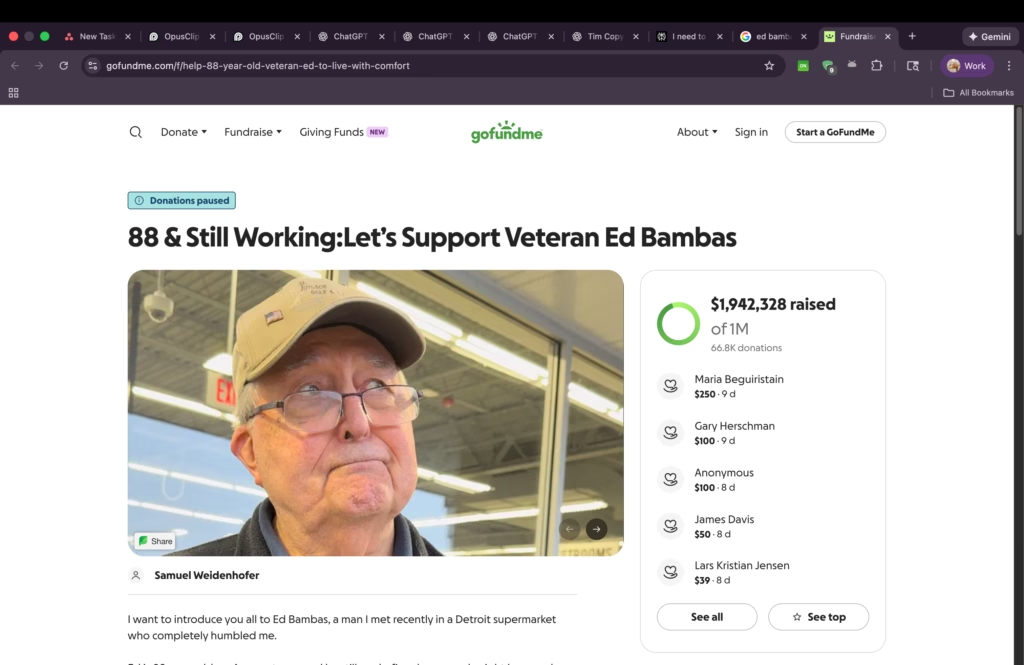
In a time when corporate culture often overlooks the quietest workers, Ed Bambas 88 years old, was still clocking in full-time at a Meijer store in Detroit.
Not because he wanted to stay busy, but because he couldn’t afford not to. A veteran. A former GM employee. A husband who stayed by his wife’s side when she got sick, and never recovered financially after that chapter. His story is quietly becoming a mirror for what’s broken and what’s possible in today’s corporate culture.
He sold his home. He burned through savings. And long after most people are expected to rest, Ed kept showing up. Quietly. Reliably. Invisibly.
Until one day, someone saw him.
What Happens When Someone Finally Notices
What happened next wasn’t just a viral moment — it was a cultural moment. One that peeled back what’s often missing in corporate culture: the power of being seen.
In December 2025, a video of Ed sharing his story went viral. It wasn’t flashy. Just a quiet conversation on a bench. He explained why, at 88, he was still clocking in.
The internet didn’t argue. It responded. Over 50,000 strangers donated. $1.7 million raised in days. Ed could finally exhale.
He didn’t buy a boat. He made plans to visit his brother with cancer. Go out to dinner without worrying. Keep working — but now, by choice.
What changed wasn’t just his finances. It was his footing in the world. For the first time in a long time, Ed felt seen.
The Thing About Feeling Invisible
You don’t always know it’s happening. People rarely say it out loud. They just pull back. Get quieter. Do the job, but leave their energy somewhere else.
That’s what struck me about Ed’s story. Not just how long he worked. But how long he went unnoticed.
And he’s not the only one.
A Workhuman study found that nearly 30% of workers feel invisible on the job. Not overlooked — invisible.
That’s not about performance. That’s about belonging.
The “Ed Factor” Inside Every Organization
It’s easy to see Ed’s story as rare — an older veteran, hit by a hard stretch of life. But the more you look at it, the more familiar it becomes.
Because Ed’s situation wasn’t just about age. It was about caregiving, financial pressure, and identity. And that’s something a lot more people are carrying than we realize.
In fact, a recent survey of full-time working caregivers found that:
- Over half said caregiving hurt their financial health
- Most expect their employers to offer real support
- And nearly three out of four see their job as a caregiving resource — not just a paycheck
It makes sense. Care doesn’t clock out when the workday begins. And the financial strain often follows people straight into the office.
Ed sold his home to care for his wife. But many others are making smaller, quieter tradeoffs — skipping time off, delaying doctor visits, draining savings just to stay afloat.
They don’t always say it. But they feel it. And the only real difference between their story and Ed’s... is whether anyone’s paying attention.
Most People Aren’t Asking to Be Celebrated
They’re just hoping not to disappear.
I think about that stat a lot. And I think about Ed. How many other “Eds” are out there — showing up, carrying more than we know, and just needing someone to notice?
Not with a parade. Just with presence.
Events Are More Than Agendas
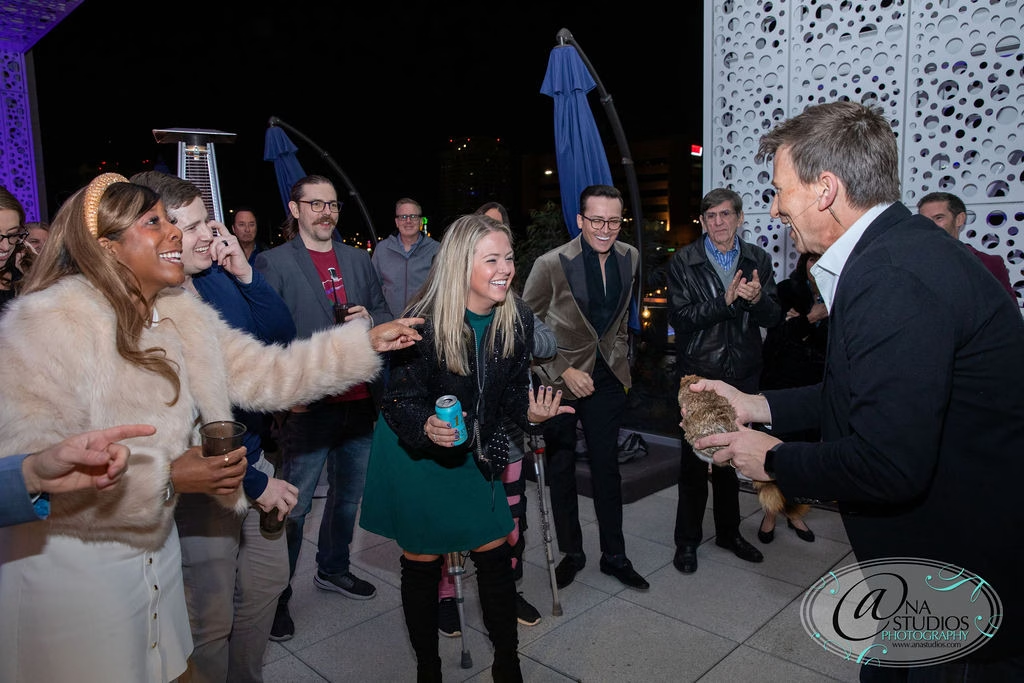
When I speak at corporate events, it’s never just about motivation. It’s about creating moments where people get to feel human again.
Not hyped up. Not pushed harder. Just reminded that they matter.
That’s what Ed’s story brings into focus. In rooms full of strategy and metrics, sometimes what’s missing is the simplest thing: dignity.
Not as a buzzword. As a baseline.
So What Now?
We don’t all need to donate to a GoFundMe to make someone feel seen. Most of the time, it’s smaller than that.
It’s attention. It’s a well-timed “thank you.” It’s looking up when someone walks into the room.
That’s the thread between Ed’s story and the cultures we’re all trying to build. Because recognition isn’t loud. Most of the time, it’s quiet and well-placed.
Want to bring this message to your team? Watch Tim’s demo reel to see how storytelling and interaction can transform the room.
Or reach out here to bring Tim to your next event. It might be the moment your team didn’t know they needed.